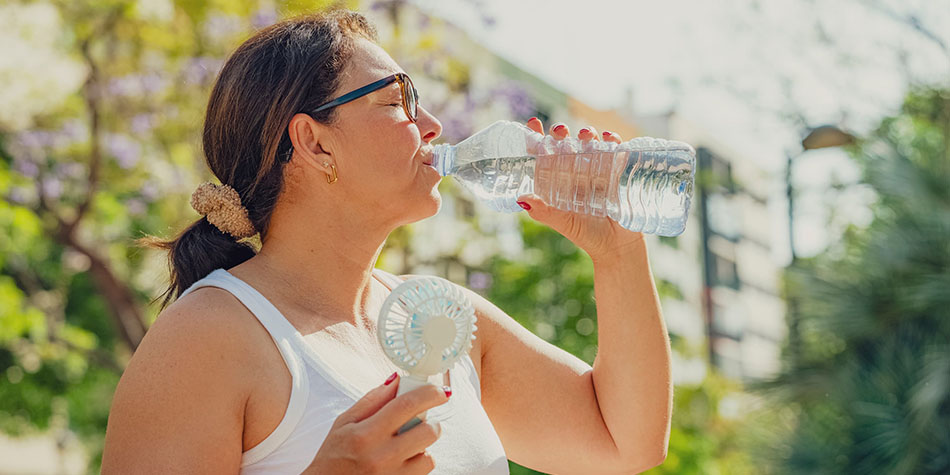
Staying hydrated and cooling down in shade can help reduce the risk of heat exhaustion and heat stroke during extreme summer heat.
Summer brings backyard barbecues, sprinkler runs, ice cream, fireworks — and, increasingly, dangerous heat.
Heat exhaustion and heat stroke are both heat-related illnesses, but they are not the same. Heat exhaustion is a warning sign that your body is struggling to cool itself. Heat stroke is a medical emergency that can cause permanent disability or death without fast treatment.
Here's how to tell the difference, what to do in the moment and how to lower your risk before the heat becomes dangerous.
Why heat illness happens
Your body normally cools itself by sweating. But in hot, humid weather — or during intense activity — sweating may not be enough. When your body loses too much water and salt, your temperature can climb and heat-related illness can set in.
Anyone can be affected whether they are playing sports, working outdoors, attending a summer event or relaxing by the pool. Some people face a higher risk, including older adults, pregnant people, babies and young children, people with chronic medical conditions, and people taking certain medications.
The effects of rising global temperatures and extreme heat result in more than 700 deaths every year in the U.S. alone, according to the Centers for Disease Control and Prevention (CDC).
How to recognize heat exhaustion
Heat exhaustion happens when your body loses too much water and salt, often through heavy sweating. It can come on after too much time in heat and humidity, especially if you are not used to the conditions.
Common signs of heat exhaustion include:
- Cool, moist skin with goose bumps when in the heat
- Dizziness
- Faintness
- Fatigue
- Headache
- Heavy sweating
- Low blood pressure upon standing
- Muscle cramps
- Nausea
- Weak, rapid pulse
If you don't treat your heat exhaustion, it can progress to heat stroke, which means that spotting the symptoms early and acting quickly are critical to your health.
When heat exhaustion becomes heat stroke
Heat stroke happens when the body can no longer control its temperature. Body temperature rises quickly, and the body's cooling system begins to fail. According to the CDC, when heat stroke occurs, your body temperature can rise to 106° F or higher within 10 or 15 minutes.
Signs of heat stroke may include:
- Confusion, agitation, or unusual behavior
- Heavy sweating or no sweating at all
- Hot skin
- Loss of consciousness
- Seizures
- Slurred speech
- Very high blood temperature
Heat stroke needs emergency care. If it's not treated, it can cause permanent disabilities or death.
What do I do next?
Heat exhaustion
The National Institute for Occupational Safety and Health (NIOSH), a part of the CDC, provides heat safety guidance for outdoor workers, but the same basic steps can help anyone showing signs of heat exhaustion.
If you or someone near you is suffering from heat exhaustion, take the following steps:
- Move out of the heat right away and into a shady or air-conditioned space.
- Remove unnecessary clothing, including shoes and socks.
- Give frequent small sips of cool water if the person is awake, not vomiting and able to swallow safely. If you vomit, stop drinking and seek medical care.
- Use cold compresses or cool water on your head, face and neck.
Get medical help if symptoms worsen, last longer than an hour, or include vomiting, fainting, confusion or trouble staying awake.
Heat stroke
If you think someone has heat stroke, call 911 immediately.
While waiting for emergency help:
- Move the person to a shaded, cool area.
- Remove outer clothing and cool them as quickly as possible.
- Use an ice bath, if possible, or simply wet their skin or place wet clothes on the head, neck, armpits and groin.
- Do not give them fluids if they are confused, unconscious, vomiting, or can't swallow safely.
How to prevent heat-related illness
The best way to stay safe is to plan ahead, especially on days with extreme heat or high humidity.
Before heading outside, check local heat alerts through the National Weather Service or the CDC HeatRisk Dashboard. The CDC recommends taking extra precautions when HeatRisk is red or higher, especially for people at increased risk.
If you do go out, follow sensible precautions, such as:
- Drink plenty of water or sports drinks, about eight ounces (one cup) for every 15-20 minutes of moderate activity, even if you aren't thirsty, according to NIOSH.
- Avoid alcohol and consider limiting drinks high in caffeine, sugar or sodium.
- Check your urine color. Light yellow or clear usually means you are getting enough fluids.
- Schedule your outdoor activities for the cooler parts of the day.
- Wear loose-fitting, lightweight clothing.
- Take cool showers or baths to cool down.
- If you do not have air conditioning, look for a cooling center or other air-conditioned public space. You can also contact your local health department or emergency management office for cooling center information.
- Use fans carefully. The CDC says fans can help only when indoor temperatures are below 90°F; above that, fans may increase body temperature.
And most importantly: Never leave a child, pet, older adult or person with a disability in a parked car, even for a minute. Cars can become dangerously hot very quickly, even when the weather does not feel extreme.
$webqFacilityNumber
Need a Physician?